
Sinking funds
Sinking Funds Explained: How Aussies Can Save for Big Bills Without Wrecking the Budget
By Matt Hicks · · 14 min read
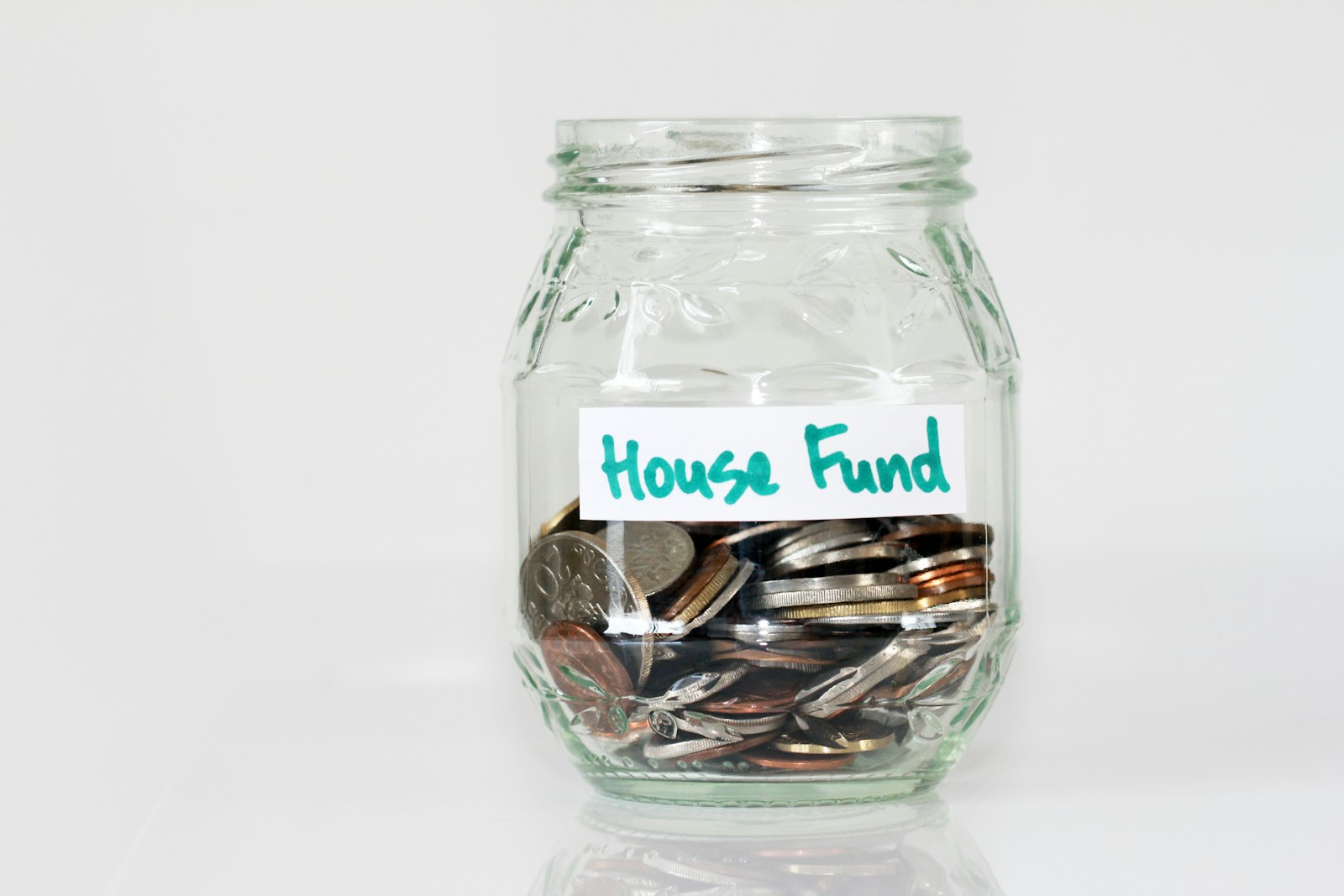
Here's a number that really got my attention. A Finder survey published in August 2026 found that 42% of Australians have less than $1,000 in savings. That's about 9.2 million people who are one car repair or one big bill away from real stress!
But here's the thing. A lot of the bills that knock our budgets over aren't really surprises. Car rego comes every year, the electricity bill lands every quarter, and Christmas is on the 25th of December every single time.
I first came across sinking funds through a personal finance creator on YouTube, and it's one of the simplest budgeting ideas I've found. I'll be upfront: I'm still pretty new to them myself. I've got two sinking funds going so far, and this post is everything I've learned while setting them up.
So here are sinking funds explained in plain English: what they are, how they're different from an emergency fund, how to set one up around your pay, and the most common mistakes to avoid.
What Is a Sinking Fund? (A Simple Definition)
A sinking fund is money you set aside a little at a time for a specific, planned expense. That way you can pay it in full when it's due. No fancy maths, no special account needed.
The name sounds a bit gloomy, like something going down with the ship, but it actually comes from the corporate world. Companies and governments that borrowed money would put cash aside on a regular schedule to pay back their bonds, so the debt slowly "sank" instead of hitting all at once.
We just pinched the idea for household budgets. Instead of paying back a bond, you're saving for your car insurance, your council rates or the dog's yearly trip to the vet.
Here's the bill that showed me why this matters. My car was due for a service, and I knew it was coming. When the bill landed it was $1,950. Knowing it was on the way didn't help one bit, because I hadn't put anything aside for it. It still caught me out.
That's the whole problem sinking funds solve. The bill wasn't unexpected, only the timing of the pain was. Here's the simple formula:
Total cost ÷ number of months until it's due = amount to save each month
For that same car service:
- $1,950 ÷ 12 months = $162.50 a month
About $160 a month is heaps easier to handle than $1,950 all at once. When the bill turns up, you pay it from the fund and your normal budget doesn't even notice.
What if you're starting late? Say it's due in 6 months instead of 12. Then it's $1,950 ÷ 6 = $325 a month, which is tougher but still far better than scrambling when the invoice arrives. Next time you can start the full 12 months ahead.
One more thing that confuses people. A sinking fund isn't general "savings." Every dollar has a name and a job, like "Car" or "Utilities," and that label is what makes it work. When money is labelled, you're way less likely to spend it on takeaway on a random Tuesday.
Sinking Fund vs Emergency Fund: What's the Difference?
This is one of the most common questions about sinking funds. If you've already got an emergency fund, why bother with both?
Here's the short answer. An emergency fund is for things you can't predict. A sinking fund is for things you can predict. One protects you from nasty surprises, and the other stops expected bills from feeling like surprises.
| Emergency fund | Sinking fund | |
|---|---|---|
| What it's for | Unexpected events (job loss, medical emergency, sudden major repair) | Planned expenses (rego, insurance, rates, Christmas) |
| Do you know the cost? | Usually not | Yes, or close to it |
| Do you know when? | No | Yes |
| Are you meant to spend it? | Only in a real emergency | Yes! That's the whole point |
| Typical size | 3–6 months of essential expenses | Whatever the planned expense costs |
The danger of using one fund for everything is easy to picture. Say you dip into your emergency fund for Christmas, planning to top it back up in January. Then the hot water system dies in February, and the money you need for a real emergency isn't there. Now a genuine emergency ends up on the credit card, all because the money went on something that was never an emergency.
A simple test helps. When a bill turns up, ask yourself: "Did I know this was coming?" If the answer is yes, it should come out of a sinking fund.
There are some grey areas, and that's okay. Car repairs are the classic one, because you don't know when something will need fixing, but you know it will eventually. I handle that with my car sinking fund. I put about $500 a month into it, because my car is getting on a bit and I know bigger repairs, and eventually a replacement, aren't far away.
That way the emergency fund only gets touched for the big, truly unexpected stuff, like losing your job or a medical emergency.
So which should you build first? Most people do best with a small starter emergency fund first, and around $1,000 is a common target. Then start one or two sinking funds for your biggest upcoming bills, and keep growing the emergency fund towards 3–6 months over time.
How to Set Up a Sinking Fund in 5 Easy Steps (Fortnightly Pay Friendly)
You don't need an app or a fancy spreadsheet to get started. I set mine up using nothing more than my bank statements.
Step 1: Find your irregular expenses
Pull up the last 12 months of bank and credit card statements. Look for anything that isn't a regular weekly, fortnightly or monthly bill, like rego, insurance renewals, council rates, quarterly energy bills, birthdays and school costs.
When I went through mine, my irregular bills came to about $6,000 a year. That's roughly $500 a month, or about $231 a fortnight, that needs a plan. Seeing the full number in one place makes it obvious why a big bill can throw a budget off track.
Step 2: Put a price on each one
Use last year's actual amount if you've got it. If not, make your best honest guess and round up. Renewals almost never come in cheaper, and it's much nicer to have $30 left over than to come up $30 short.
Step 3: Note when each one is due
This matters more than people think. Your Christmas fund might have 11 months to grow, but rego could be due in 4 months, so that one needs more each month.
Step 4: Do the maths, using your pay cycle
Most Aussies are paid fortnightly, and there are 26 fortnightly pays in a year. If that's you, work out your sinking funds per pay instead of per month, so it lines up with when the money actually lands.
Here's an example with a $600 Christmas budget:
- $600 ÷ 12 months = $50 a month, or
- $600 ÷ 26 pays = about $23 per fortnight
I'm actually paid monthly, so I work mine out per month. Use whatever matches how your money comes in, whether that's weekly, fortnightly or monthly.
Step 5: Automate it
This is the step that makes the whole thing work. Set up an automatic transfer from your everyday account to your sinking fund on payday, not a few days later.
I'm a big believer in automating money habits. I already have a payment go out every month to buy ETFs, and because it happens on its own, I never have to think about it or talk myself out of it. Sinking funds work exactly the same way.
A quick tip: don't set up 12 sinking funds on day one. Pick the two or three biggest or soonest bills and start with those. You can add more once they're running on autopilot.
And don't panic if the total looks scary at first. Mine came to around $6,000 a year, so I get it! If you can't cover everything straight away, fund the most urgent ones first and add the rest as you pay down debt or trim other spending.
15 Sinking Fund Categories Every Aussie Household Should Consider
Once you understand how sinking funds work, the next question is "Righto, but what do I save for?" Here's a list to get you started. You won't need all of them, so pick the ones that fit your life.
Car
- Rego. In NSW, add your CTP green slip too, since it's paid separately there. In most other states CTP is bundled into rego.
- Car insurance. Paying annually is often cheaper than monthly, so a sinking fund can save you money here.
- Car servicing, tyres and repairs. I save about $500 a month for my car, but that's because it's older and I'm planning ahead for bigger repairs. A newer car will usually need a lot less.
Home
- Council rates. Most councils let you pay in four quarterly instalments, which are easy to forget.
- Water bills. Usually quarterly too, so they're perfect for a sinking fund.
- Electricity and gas. Quarterly bills that swing between seasons, like the winter heating bill that makes you wince. Saving the same amount every pay smooths it out.
- Home and contents insurance. Another annual renewal that loves to sneak up on you.
- Home maintenance. A common rule of thumb is 1–2% of your home's value per year. On an $800,000 home that's $8,000–$16,000 a year. Yikes, I know, but hot water systems don't last forever.
Holidays and gifts
- Christmas. Include presents, food, drinks, decorations and travel.
- Birthdays. Add up everyone you buy for. It's often more than you'd guess.
- Holidays. Even a long weekend down the coast adds up once you count fuel, food and accommodation.
Family and health
- Back to school. Uniforms, shoes, stationery, school contributions, and the BYO laptop if your school asks for one. Late January hits hard without this one!
- Medical and dental. Gap fees, dental check-ups, glasses and specialist visits that Medicare doesn't fully cover.
- Pets. Annual vet check, vaccinations, flea and worm treatment. If your pet costs about $500 a year, that's roughly $19 a fortnight.
Subscriptions and tech
- Annual subscriptions and tech. Streaming, software, memberships you pay yearly, plus saving towards your next phone so it doesn't end up on a plan or buy now pay later.
So which ones do I use? Since I'm just getting started, I've kept it simple with two: one for the car and one for utilities. Two funds are easy to keep on top of, and they cover the costs I most need to plan for. I'll add more as I get the hang of it.
You don't need a long list for sinking funds to work. Start with the one or two bills that cause you the most stress, and add more only if you need them.
Bit of a tangent, but it's worth saying. Some people keep "fun" sinking funds too, for a new bike, a concert or a weekend away. I reckon that's great! Saving ahead for fun stuff means you get to enjoy it without the guilt.
Where to Keep Your Sinking Funds in Australia
Money sitting in your everyday account just looks like spending money, and that's the problem. So where should sinking funds live? Here are the most common options for Aussies.
Option 1: Labelled savings accounts in your banking app
Plenty of Australian banks, especially the digital ones, let you open several savings accounts or "savers" and give each one a name. You can see at a glance that "Rego" has $420 and "Christmas" has $300.
Option 2: A high interest savings account (watch the bonus conditions)
Many Aussie savings accounts pay a low base rate plus bonus interest if you meet conditions each month. Common ones are depositing a minimum amount, growing your balance or making no withdrawals. Here's the catch with sinking funds: you will make withdrawals when bills come due, and one withdrawal can cost you that month's bonus interest.
One way around this is to use two accounts. Keep the "spend soon" funds in a basic saver with no conditions, and put slower-moving ones like home maintenance in the bonus account.
Option 3: Your mortgage offset account
This is what I use. If you've got a mortgage with an offset account, it can be a great option. Every dollar in the offset reduces the interest charged on your home loan, and you can still get to the money whenever you need it.
Some lenders let you have several offset accounts, which is how I keep my sinking funds separate. Each one has its own job, and the money is working to cut my home loan interest while it waits for the bill to arrive.
Option 4: A budgeting app with categories
Some apps let you split your money into categories that work like virtual envelopes. The cash stays in your bank account, but the app tracks which dollars belong to which goal. The Moneysmart budget planner from ASIC is a good free place to start working out your numbers, too.
Option 5: Cash stuffing
Cash envelopes, or "cash stuffing" as it's called online now, is hands-on and works well if you tend to overspend on tap-and-go. I'd just be careful keeping large amounts of cash at home.
Whatever you pick, here's what I'd check first:
- No monthly fees. A $5 fee each month is $60 a year gone.
- Easy access. Avoid term deposits for most sinking funds. Breaking one early usually means giving 31 days' notice and getting less interest.
- Government protection. Deposits with Australian banks, building societies and credit unions are covered by the Financial Claims Scheme up to $250,000 per account holder, per institution.
- Separate from your everyday account. It should be close enough to move money in a few taps, but far enough that you won't spend it by accident.
One last thing. I invest in ETFs, but I'd never invest sinking fund money in shares if you'll need it in the next few years. The ASX can drop 20% in a bad year, and your council rates won't care that the market's down.
Common Sinking Fund Mistakes (and How to Avoid Them)
Sinking funds are simple, but there are a few traps that catch people out. Even this early on, I've already fallen into a couple of these myself.
Mistake 1: Starting too many funds at once
It's easy to get excited and set up a fund for every possible expense in one weekend. The problem is the total can quickly add up to more than you can actually put aside each pay, and then the whole system feels like a failure.
Start with two or three funds. Once those are steady and automated, add more slowly. Building up works way better than going all in and burning out.
Mistake 2: Underestimating costs
Christmas is the classic one. It's easy to budget for presents and forget the food, wrapping paper, postage and the last-minute dash to the shops on Christmas Eve.
A good habit is to add a 10% buffer to every fund. If your car service was $1,950 last time, plan for about $2,150. If there's money left over, roll it into next year.
Mistake 3: Borrowing between funds without tracking it
This one's sneaky, and I've done it myself. You move some money from one fund to cover another, fully intending to sort it out later. Then later comes, and you've lost track of what went where and how much needs to go back.
If you move money between funds, write it down straight away. Then make a plan to pay it back, even if it's only a small amount each pay.
Mistake 4: Not automating
I've said it before and I'll say it again because it's that important. If you have to remember to move the money yourself, some months it just won't happen. Set up automatic transfers on payday so your funds grow whether you think about them or not.
Mistake 5: Feeling guilty spending the money
This sounds strange, but it's real. The first time I paid a big bill straight out of a sinking fund, it felt weird watching the balance drop after all that time building it up.
Then it clicked: that's literally what the money was for! The fund did its job perfectly. Spending it on the thing you saved for isn't failing, it's the whole point.
Start Your First Sinking Fund This Payday
Sinking funds aren't fancy or complicated. They're just a simple way to take big, predictable bills and break them into small, easy amounts each pay. Once they're set up, they quietly protect your budget all year.
Here's a quick recap:
- A sinking fund is money saved a little at a time for a specific, planned expense.
- It's different from an emergency fund, which is only for true surprises.
- The formula is simple: total cost ÷ months (or pays) until it's due.
- Start with 2–3 funds for your biggest or soonest bills, like the car, rego or the quarterly power bill.
- Keep the money out of your everyday account, in labelled savers or an offset account.
- Automate the transfers on payday and add a 10% buffer.
Your sinking funds should fit your life, not mine. Maybe you don't need a car fund as big as mine, but you do need one for kids' sport or flights to see family interstate. Tweak the categories, adjust the amounts, and remember that starting small is completely fine.
That's exactly what I'm doing. Two funds, a bit each month, and learning as I go. I'll share how it's tracking in a future update, including what worked, what didn't and which funds I add next.
A quick note: this article is general information only, not personal financial advice. Check an account's fees, bonus conditions and access rules before you open it. If you're struggling with debt, the National Debt Helpline (1800 007 007) offers free, confidential financial counselling.
Now I'd love to hear from you! What sinking funds do you use, or which one are you starting first? Let me know. Your ideas might help another reader.
Free download
Get the Free Aussie Sinking Fund Tracker
Plan for rego, insurance, rates and Christmas in one simple sheet, set up for fortnightly pay. Plus practical money tips as I learn them.